

A world of drone piloting is witnessing a significant shift as technology keeps to evolve and expand its applications across multiple industries. With the increase of business drone usage, pilots are no longer just users; they are transforming into key participants in determining the future of aerial operations. These skilled professionals are navigating complex regulations, embracing advanced tools, and refining their craft to satisfy the increasing need for aerial solutions in fields ranging from real estate to agriculture and more.
As the drone revolution develops, grasping the complexities of flying drones professionally is essential. Drone Pilots Alvie Inverness-shire need to be well-versed in the Federal Aviation Administration's rules, including managing FAA Part 107 for nocturnal operations and flights over people. Additionally, the importance of proper documentation, such as that required to pass through controlled airspace, cannot be overstated. This article delves into the critical aspects that drone pilots need to understand to ensure safety, adherence, and effectiveness in their flights, ultimately contributing to the greater integration and acceptance of drone technology in everyday business operations.
Exploring Waivers under FAA Part 107
For UAS operators flying under the regulations of FAA Part 107, securing waivers is essential for increasing operational flexibility, notably for flights at night and operations over people. The waiver process involves submitting a detailed application that demonstrates the operator's ability to carry out flights safely outside the standard regulations. Pilots seeking waivers must show how their specific operations adhere to safety protocols and mitigate risks, which is crucial for the FAA's assessment of the waiver.
To initiate the waiver application, pilots should carefully review the FAA's requirements and verify they meet the required criteria. Documenting Drone Pilots Alvie Inverness-shire that details the intended use, safety protocols, and methods for reducing risk is vital. This plan should also outline the pilot's credentials, capabilities of the equipment, and how operations will adhere to safety regulations. Clear and concise documentation can significantly enhance the likelihood of waiver approval.
Once sent, the review process can be time-consuming, and applicants should be willing for potential queries from the FAA. Maintaining open communication with the FAA can help clarify any concerns and expedite the evaluation process. Pilots should not only be meticulous in their application but also stay informed about any changes in regulations that might impact their waiver status or operational abilities.
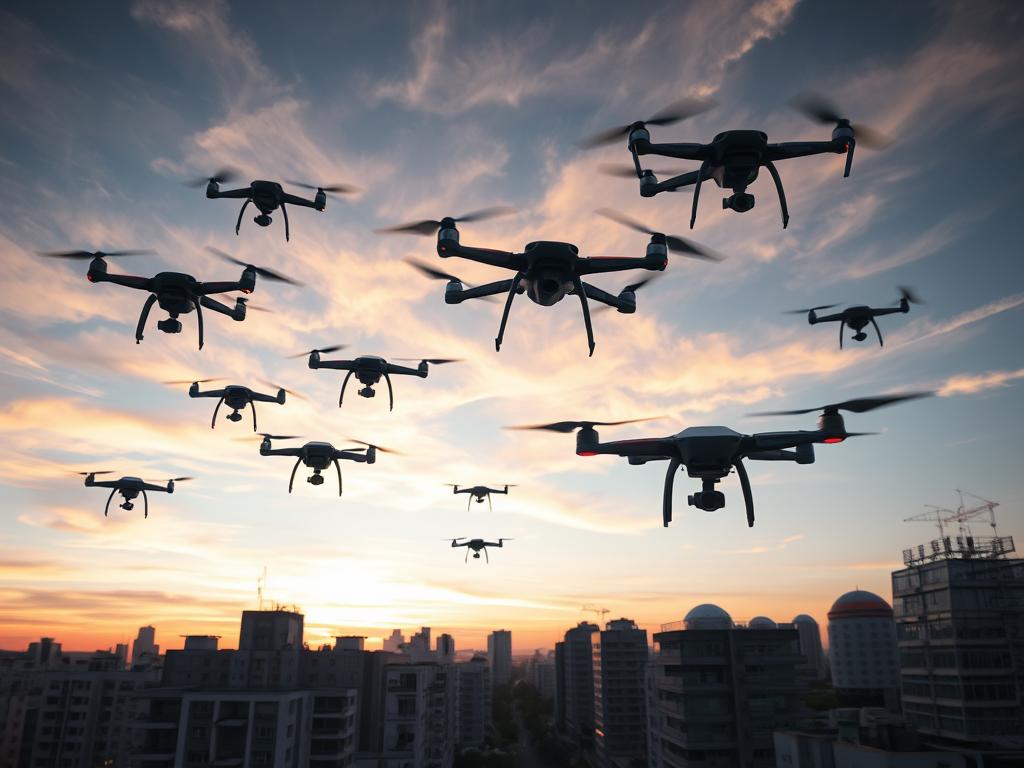
Drones Trends
The progression of UAV technology has advanced with developments in hardware and software, enabling professionals to address complex tasks with increased efficiency. One critical aspect is the difference between mechanical and digital shutters in drone mapping. Physical shutters typically provide sharper images with reduced distortion, suitable for recording fine topography, while digital shutters can be helpful for boosting frame rates during fast flights. Understanding this distinction allows pilots to choose the suitable tools for their particular mapping needs.
Thermal imaging drones have turned into crucial in different industries, particularly for identifying structural faults and roof moisture leaks. By utilizing infrared sensors to detect temperature differences, these drones provide critical insights that are often not visible to the naked eye. This ability enhances upkeep efforts and increases the overall security of buildings, empowering drone operators to deliver services that high-resolution visible light photography cannot achieve by itself.
Another critical technological aspect is the use of Real-Time Kinematic (RTK) and Post-Processed Kinematic (PPK) GPS correction systems in high-precision surveying. RTK offers immediate corrections, making it appropriate for on-the-spot data collection, while PPK allows for corrections after the flight, which can be more precise due to improved data processing. Understanding the mechanics and uses of these systems helps pilots guarantee that their surveying jobs yield precise and trustworthy results, ultimately influencing the standard of their work in the commercial sector.
Operational Best Practices
In order to secure a proficient drone operation, adherence to FAA regulations is essential. Knowing about Part 107 waivers for night flying and activities over people also boosts safety but additionally expands the operational scope of drone pilots. Using LAANC for controlled airspace clearances streamlines the process, permitting pilots to focus on their flight objectives while upholding compliance with regulatory requirements.
Drone pilots should implement routine maintenance checks and establish a professional flight log to meet commercial insurance standards. This documentation is vital for coverage and liability considerations, notably when repairs are necessary after an incident. Comprehending what underwriters seek in liability policies can further protect operators' interests and foster a feeling of professionalism in the industry.
Considering environmental factors is also important; for instance, high winds and low temperatures can substantially impact drone flight times and performance. Pilots are advised to regularly inspect their drones, calibrate sensors, and adhere to recommended practices for battery maintenance. By incorporating thorough preparation and ongoing education about drone technology, pilots can effectively navigate challenges and enhance the quality of their flight operations.