

In recent years, the rise of unmanned aerial vehicles has revolutionized multiple industries, enabling professionals to execute tasks with unprecedented efficiency and precision. UAV operators have become essential players in this transformation, harnessing advanced technology to deliver cutting-edge solutions across fields such as real estate, agrotech, building, and land assessment. As the interest in skilled drone operators grows, it is important for pilots to remain updated about regulations, operational best practices, and the technical intricacies that boost their skills.
Navigating the challenges of commercial drone use is no small feat. From comprehending FAA regulations and acquiring necessary waivers for night flights and operations over people to perfecting the required documentation for controlled airspace access via LAANC, the journey for a drone pilot is filled with challenges. Moreover, as technology evolves, so do the techniques required for accurate data collection and reporting. Topics such as the effects of magnetic interference on compass calibration, the variances between traditional and electronic shutters in mapping applications, and the nuances of LiDAR versus conventional photogrammetry are crucial for maintaining a market advantage. Integrating these elements not only enhances operational knowledge but also ensures conformity and safety, which are of utmost importance in the commercial drone landscape.
Maneuvering FAA Guidelines for Unmanned Aerial Vehicle Activities
Grasping and complying with FAA rules is crucial for any drone pilot engaged in commercial activities. The initial step requires acquiring a Remote Pilot Certificate under Part 107, which permits for a broad spectrum of tasks, from aerial photography to surveying. However, to broaden your operational capabilities—like flying at night or over people—pilots must navigate the process of applying for waivers. This can be complex, but with the right documentation and knowledge of the criteria, pilots can enhance their operational range and ensuring safety and compliance.
One important aspect of FAA rules is the requirement to manage controlled airspace while conducting drone flights. This is in which the Low Altitude Authorization and Notification Capability (LAANC) serves a critical role. LAANC provides a efficient method for pilots to get real-time authorization to fly in controlled airspace. The particular documentation required to use LAANC is typically minimal, but understanding the parameters and being ready can significantly smooth the approval process. This proactive approach ensures that pilots stay within legal boundaries while maximizing their flight opportunities.
Safety considerations extend beyond acquiring waivers and airspace authorizations; they also include comprehending the technical aspects of drone operations. For instance, magnetic interference can significantly impact drone compass and Inertial Measurement Unit (IMU) calibrations, which are crucial for navigation and stability. Pilots must regularly check for potential sources of interference, especially in urban environments or near large metal structures. By incorporating these safety measures and technical knowledge into their operations, drone pilots can guarantee compliance with FAA rules and achieving optimal flight performance and reliability.
Technical Factors of Drone Efficiency and Maintenance
Understanding the technical aspects of UAV efficiency is crucial for any pilot, particularly when it comes to tasks that require accuracy and reliability. Drone Pilots Barra Inverness-shire impacting performance is the drone's battery life, which can considerably degrade over time. Acceptable battery degradation limits should be monitored to ensure secure operations, especially in challenging environments where flight times are essential. Regular checks can help indicate when it’s time to replace lithium polymer (LiPo) flight packs, which in turn affects overall flight performance and reliability.
Another critical technical aspect involves the precision of drone guidance and surveillance systems. https://squareblogs.net/synergylabs/drones-at-work-revolutionizing-sectors-one-flight-at-a-moment between traditional and digital shutters can greatly influence the clarity of recorded imagery during mapping tasks. For effective photogrammetry, it's also vital to determine the right ground control point (GCP) density. This affects the accuracy of the data collected and how well it can reflect the terrain being surveyed. Ensuring these systems are calibrated accurately is essential, as is recognizing how electromagnetic interference can impact the drone's directional system and Inertial Measurement Unit (IMU) calibrations.
Maintenance also plays a significant part in the performance of UAVs. Routine inspections of drone components, including rotors and gimbal bearings, are necessary to ensure optimal functionality. High winds and low temperatures can significantly limit flight times, making regular care vital for secure and effective operations. By keeping a detailed record of flight logs, operators can organize their maintenance schedules more efficiently and prepare for any potential audits. This focus to detail not only aids in compliance with regulatory standards, such as the FAA's Part 107, but also ensures a greater standard of operational readiness and reliability.
Essential Guidelines for Professional UAV Pilots
Professional UAV pilots must emphasize safety by maintaining visual line of sight with their drones. This involves having visual observers if needed and staying aware of the aircraft's surroundings to avoid potential hazards. Keeping to the established rules for airspace classifications, especially near community airports, ensures compliance with regulations and minimizes the risk of incidents.
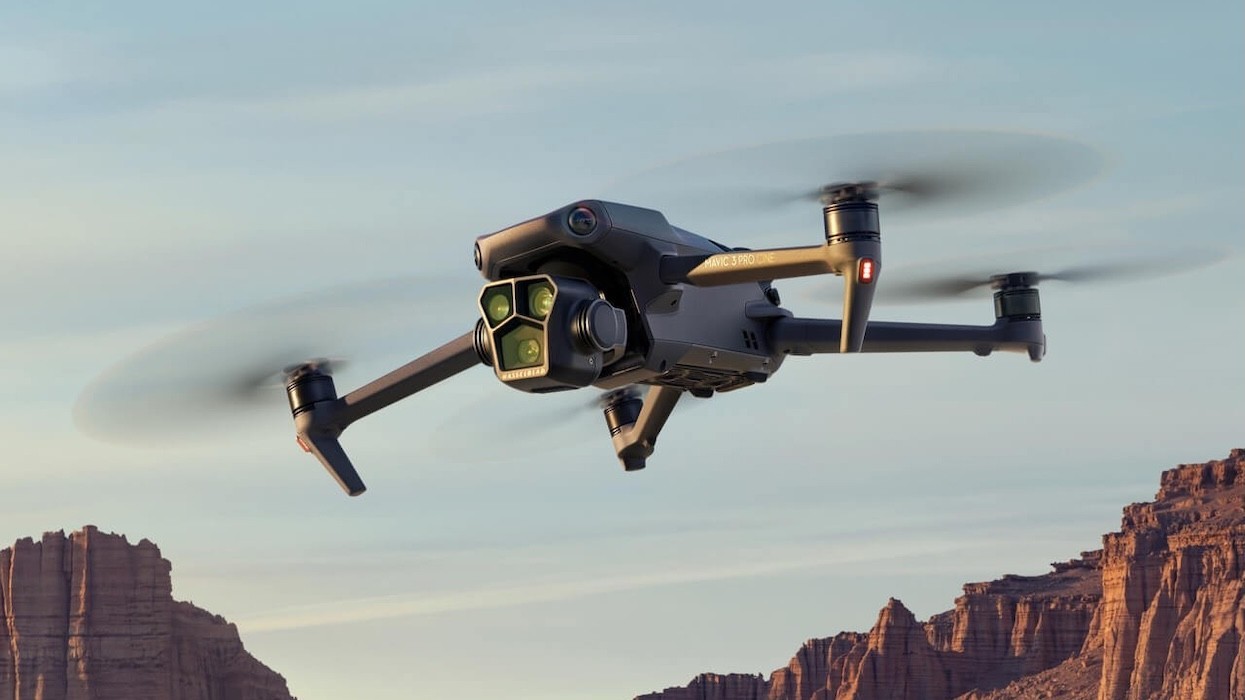
Another key best practice is meticulous planning and documentation. Pilots should utilize tools like LAANC for clearing controlled airspace efficiently and ensure they have the correct permissions for night operations or operating over people. A comprehensive flight log is essential not only for tracking operations but also for meeting commercial insurance audits. Documenting Drone Pilots Barra Inverness-shire helps in maintaining transparency and accountability.
Lastly, regular maintenance and equipment checks cannot be overlooked. This includes performing after-incident inspections, adjusting IMUs, and understanding power degradation limits to extend operational readiness. Pilots should also remain updated with software releases to avoid unexpected issues, such as resets to remote controller bindings. By adhering to these best practices, drone pilots can enhance safety and efficiency in their operations.